


Horror is a genre about trauma. Whether it is the fictional trauma being inflicted on the characters or the zeitgeist of fear it confronts for us.
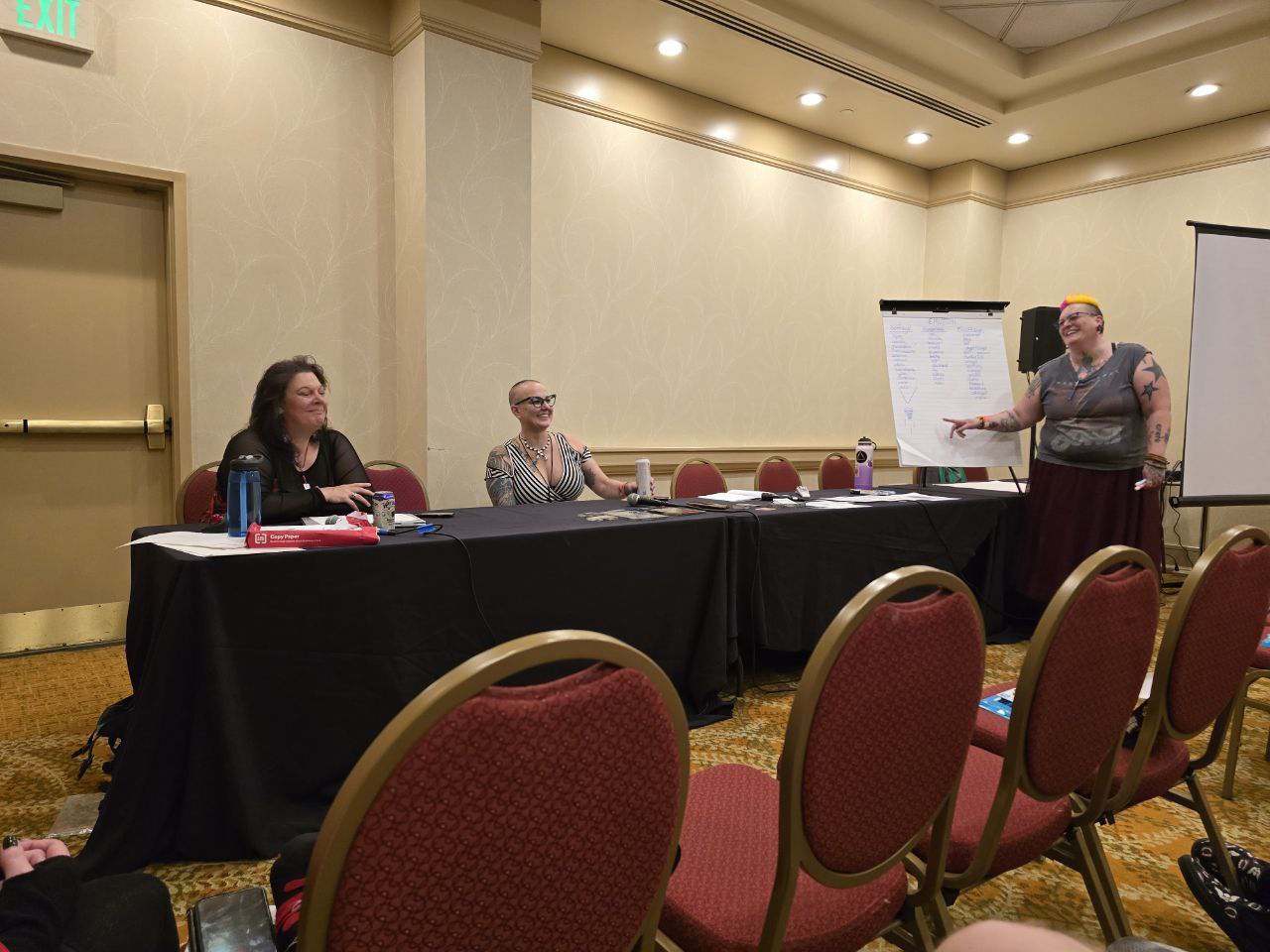
At Colorado Festival of Horror 2024, I participated in two panels on the horror genre and trauma. Both sessions were so compelling and cathartic for me that I needed to share some thoughts here.
Horror can be a way of coping with trauma both by ingesting it and by creating it. In both cases, horror allows you to interact with or process something scary or hurtful in a “safe” environment. You are on your couch; you know the screen or the page cannot really hurt you. You can experience all those emotions knowing how it will safely end. Not unlike exposure therapy.
For me, it is definitely that, but it is also more. The awful things I see in horror help normalize how I am feeling, make me feel less alone in my pain. Horror also provides a worse-er scenario, which helps me keep my reality in perspective.
People often have “comfort horror”, stories they revisit in times of stress or pain. From the outside, it may seem odd to find solace in something terrible. However, when you unpack the movie and discover what resonates with you, you will often find it hits on something personal. Maybe it lets you control the situation. Maybe it lets you re-experience things knowing how it ends. Maybe it shows you a character like you surviving or being vindicated. But something in that horror is a salve to your wound.

For the panel, I had to think about my comfort horror movies. And why they are therapeutic to me. I came up with:
- Scream: Aside from this being my first horror movie and introduction to the genre, Scream definitely hits something for me. When I stopped to actually consider it, I realized it is the deceit, the betrayal. Sidney’s friends lie to her, work against her, try to hurt her, but once she figures it out, she survives. And kills them all.
- You’re Next: The same as Scream, You’re Next introduces a final girl who is being lied to and used. Yet when she fights for her life, it is her intelligence that keeps her alive.
- Revenge: Rape revenge is pretty self-explanatory. I usually find this subgenre very triggering (Irreversible, Last House on the Left, etc.). Yet this one was different. I attribute the distinction to the female filmmaker (Coralie Fargeat). After Jen is assaulted and left for dead, she returns almost supernaturally in her vengeance.
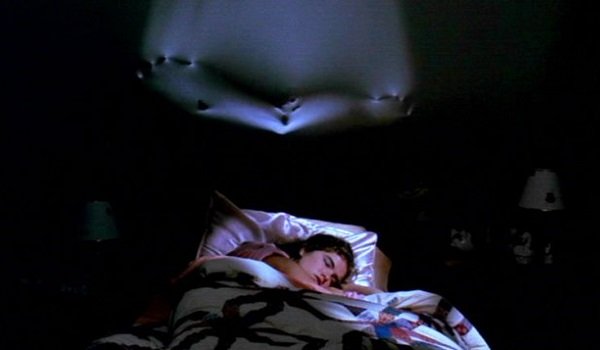
- A Nightmare on Elm Street: Nightmares and night terrors brought me to the horror genre. Seeing scary things outside my mind made me feel more normal. There was comfort in not being alone, in seeing what my mind mapped every night on external landscape. Watching Nancy confront her nightmares and ultimately defeat them in a way I never have soothes me.
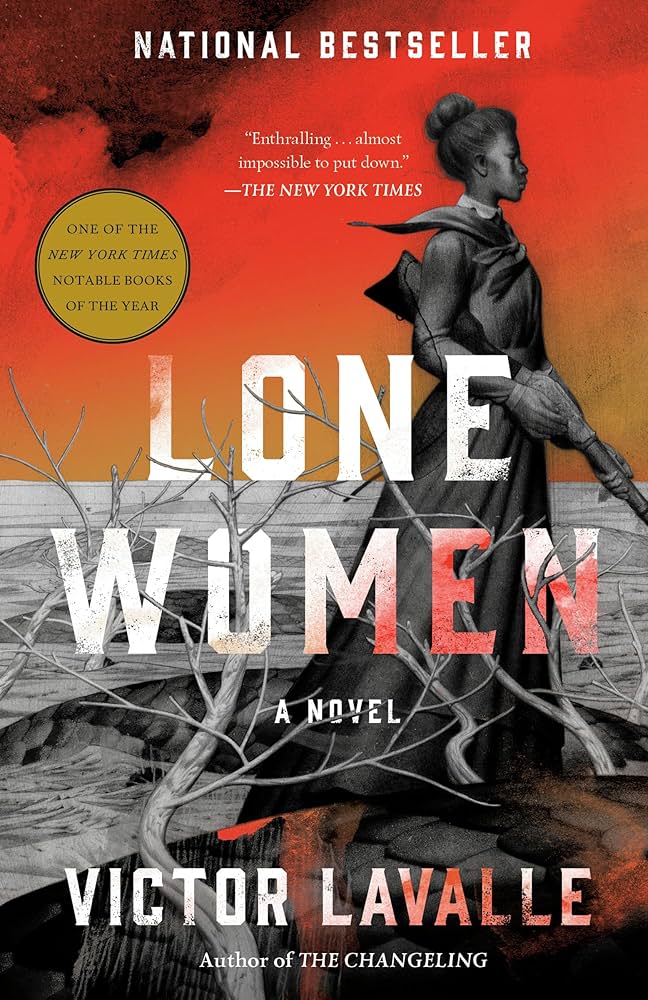
Reading horror hits me even harder. In the past few months, I have been crying my eyes out over multiple books. American Rapture by CJ Leede, I Was a Teenage Slasher by Stephen Graham Jones, Lone Women by Victor Lavalle, The Angel of Indian Lake (the entire trilogy) by Stephen Graham Jones, The Reformatory by Tananarive Due, Maeve Fly by CJ Leede… to name a few.
More than watching or reading, more than anything, creating horror is how I deal with my trauma. I have always written about my pain from journaling to blogging to essays to stories and books. It is more effective for me than any therapy I have tried (and I have tried many). Sometimes, the trauma is the inspiration, sometimes the thread, sometimes the whole damn story.
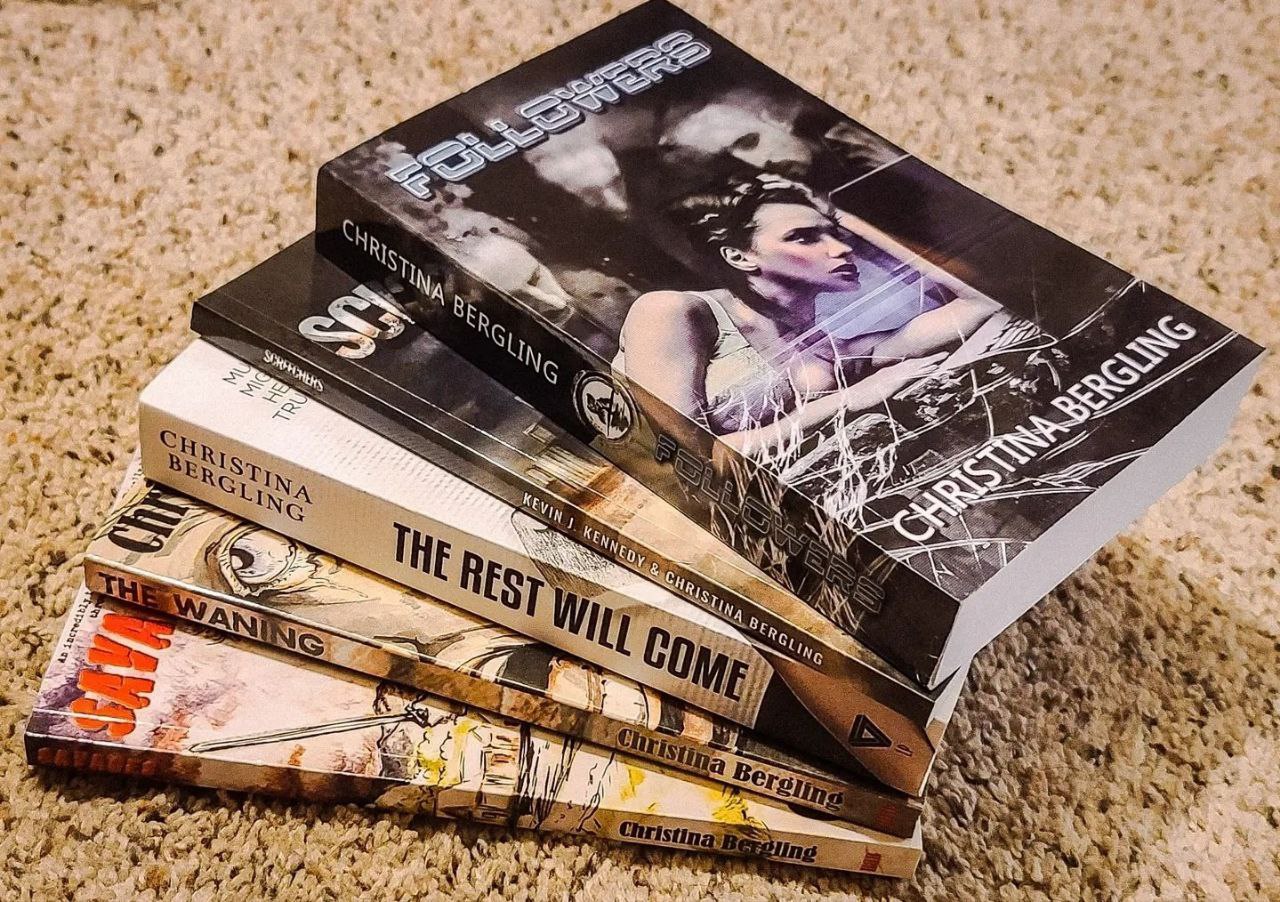
Tour my horror library with me:
- How to Kill Yourself Slowly: The first thing I ever published. I wrote this satirical essay for a nonfiction class in college. All my trauma packaged up into one catty rant.
- Savages: My first and perhaps my best book. Going to Iraq as a contractor deeply affected me. It changed how I saw humanity. I worked that out in this book.
- “The Last Christmas Dinner” in Collected Christmas: A character based on my mother and maybe what she should have done one unappreciated holiday.
- “After the Screaming Stopped” in Graveyard Girls: My post-partum story. This one was hard to find a home for. No one wants to look at how ugly and scary those new mother emotions can be.
- “Personas” in Colorado’s Emerging Writers nonfiction: A deep dive into the many faces and roles of me.
- “Under the Rapids”, Ink and Sword, Issue 4: I almost drown white water rafting when I was in my 20s. This story covers what I can remember.
- “Awake” in America’s Emerging Horror Writers: West Region: I had hip surgery to repair a torn labrum. This story confronts how helpless I felt under anesthesia and after the operation.
- “Hairs”, 96th of October, Autumn 2023: I lost my hair to Alopecia multiple times in recent years. In this story, I start there and make it oh so much worse.
- Followers: Questioning how safe we are on the internet. This book has roots in online stalkers and one I briefly had in Iraq.
Not included on this list are works where I borrowed other people’s traumas. Their experiences served as inspiration for me, but hopefully my resulting work can be therapy for them.
“Hairs” and “After the Screaming Stopped” are the most literal examples of me writing out my trauma (aside from maybe Savages where I put myself in a story to change my mind about the world). In both, I took the literal trauma–severe hair loss and post partum depression–as the premise. Then I stretched it, elongated it into something grotesque and horrendous.

And at the end of both (of them all), I felt better. The trauma felt processed and exorcised.
I understand that horror is not for everyone. It is full of terrible things that can be triggering or make people uncomfortable. Even people who do enjoy the genre may not interact with it the same way. However, for me, I have found a way to make it therapeutic. It speaks to my traumas in their native tongue, soothing and hushing them so that I can claim more of myself.

Christina Bergling
https://linktr.ee/chrstnabergling
Like my writing? Check out my books!
- Followers – You never know who is on the other side of the screen. Followers is a mystery and thriller that blends women’s fiction with horror.
- The Rest Will Come – Online dating would drive anyone to murder, especially Emma.
- Savages – Two survivors search the ruins for the last strain of humanity. Until the discovery of a baby changes everything.
- The Waning – Locked in a cage, Beatrix must survive to escape or be broken completely.
- Screechers – Mutant monsters and humans collide in the apocalyptic fallout of a burned world. Co-authored with Kevin J. Kennedy.
- Horror Anthologies

 Fiery Pen