


The Spirit of Halloween
Posted: October 28, 2020 in Halloween, real lifeTags: coronavirus, covid-19, Halloween, haunted house, horror, horror movies, october, pandemic, quarantine
Well, here we are: pandemic Halloween.
Restrictions may vary by region, but in Colorado, Halloween celebrations as we know them are largely cancelled. No school costume parades, no drunken costume parties, no trick-or-treating. I hear pumpkin patches and haunted houses have been operating, but I have not been. Largely, the season has been reduced to decorations and horror movies.
Which begs the question, what is Halloween? What is the Halloween spirit? What makes Halloween Halloween?
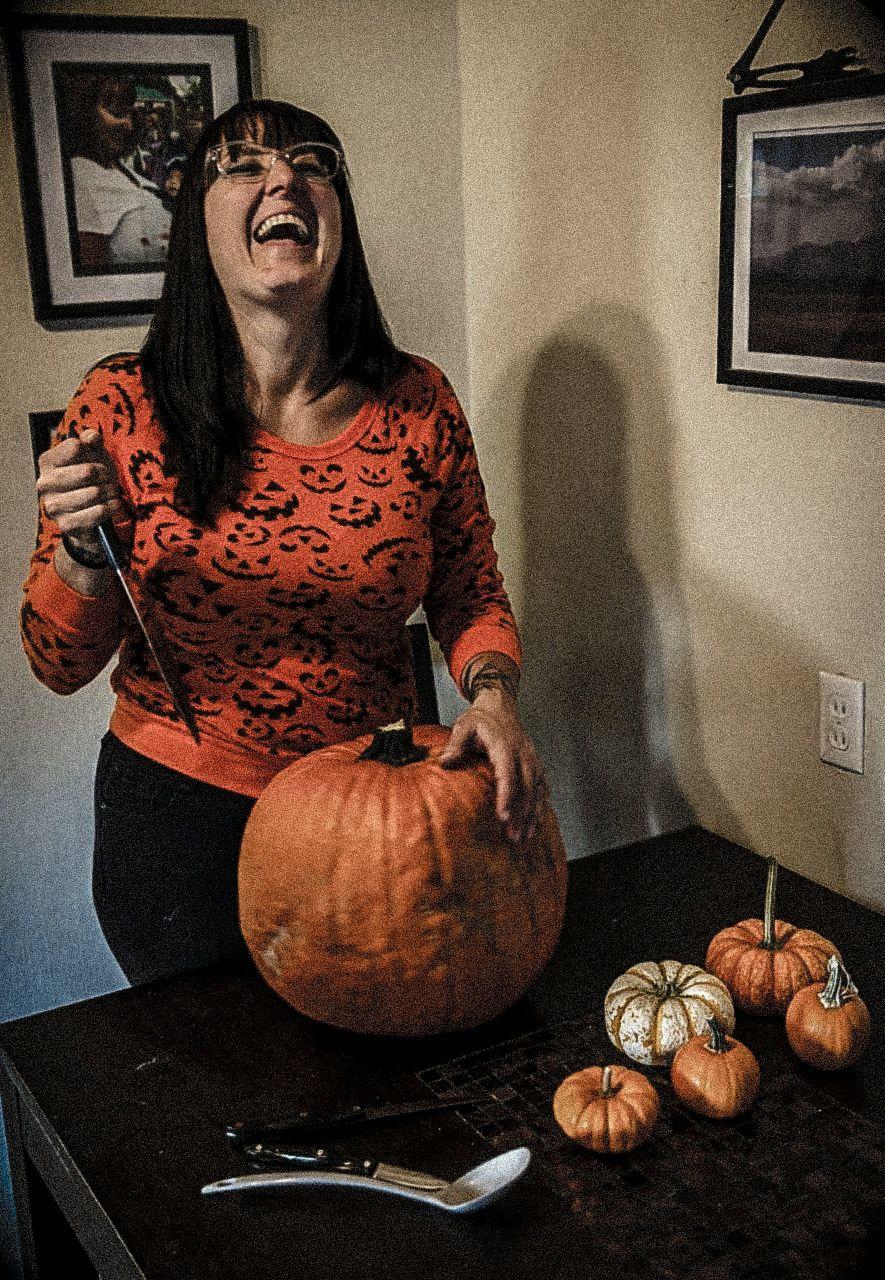
Is it Halloween without trick-or-treating down a dark street, dead leaves crunching beneath your feet? Is it Halloween without disguising yourself in another character in a drunken crowd, losing yourself in the night? Is it Halloween without being scared in a haunted house or during horror movie marathons, clutching someone’s hand tight as you cry out?
For me, I would say Halloween is all of these things. And more. I take the entire month of October to indulge in Halloween, and I truly try to do it all. Pumpkins, haunted houses, horror film festivals, parties, costumes, trick-or-treating, all the things. And I have missed all those things this year.

I resolved earlier this month to try my best to adapt and enjoy October 2020 as best I could. I decorated, even though no one will really see the house. I got my kids Halloween costumes, even though they won’t be trick-or-treating. I attended the Telluride Horror Show, even though it was all online. I decided to go all in, even if there wasn’t much we could do.

Even though it feels frivolous and borderline fucking stupid this year, I am wearing and posting my Hallowear every day. I am playing #31DaysofHorror bingo and watching a horror movie every day. Inside the house, it is still everything October and everything Halloween. I try to force myself into that Halloween spirit.

Yet it does not feel the same. Because the Halloween experience, like so many things, has a community element. Trick-or-treating includes going around a neighborhood, to other doors. Parties include groups of costumed friends, neighbors, or classmates. Haunted houses are filled with the screams of people.
The real terror this year is the distance and the isolation. The real fear is all the unknown ahead. And those are not the fun kind of horror that Halloween is about.
I just finished writing a novel that ultimately questions if someone can love the horror genre after real horror has happened in her life. That theme echoes strangely in my head these days.
Personally, I do not think Halloween is embodied by any one activity or celebration. I think it is a unique expression for each person. It means different things to different people so can’t be quantified by trick-or-treating or getting drunk dressed like a slutty pumpkin. So a pandemic Halloween can still be Halloween. It just might take some creativity and commitment.

Every year is not going to be perfect. Every year is not going to be the same. I can resign myself to letting 2020 go, to doing the best I can with the options available.

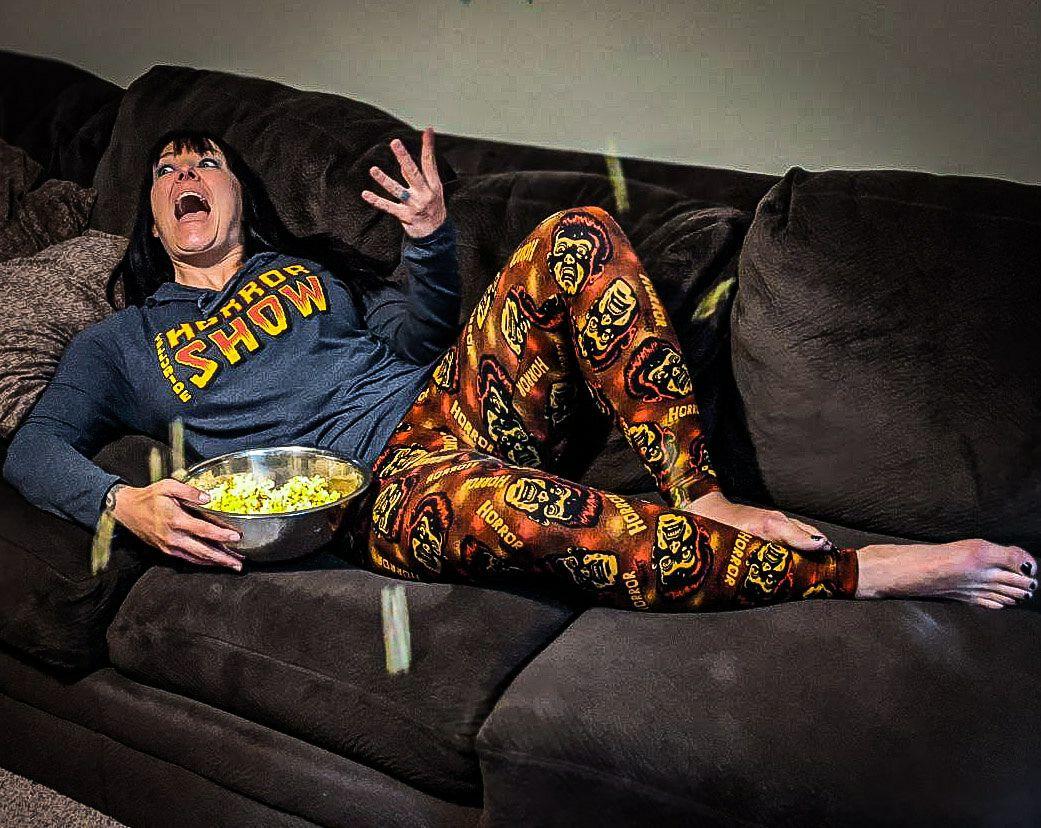
This year, Halloween might be watching Trick ‘r Treat with a bowl full of Reese’s pumpkins and a tall pour of whiskey in my Morticia costume on the couch… but it would still be Halloween. Just Halloween 2020.

Christina Bergling
Telluride Horror Show: In Virtual Review
Posted: October 20, 2020 in film festivals, horror, horror moviesTags: film festival, film festivals, horror, horror movies, horror show, online, social distancing, telluride horror show, virtual, virtual film festival
I wanted to be in Telluride this weekend. I wanted to be up in the mountains surrounded by aspens ignited in golden leaves, walking through the crisp air to shiver in queue after queue for horror movie screenings at my fourth straight year at the Telluride Horror Show.
Yet, as with just about everything in recent days, the Telluride Horror Show went virtual this year. And, as with just about everything in recent days, it was better than nothing, but it was just not what I wanted. There is only so much that you can emulate online, especially when everything is now forced online into a distanced echo of what it used to be.
We do what we can under the current constraints. Telluride Horror Show definitely made every effort to virtualize the festival experience and offerings, so rather than spend another blog post analyzing my pandemic fatigue and depression, I will strive to stay on topic.
For the Shelter-in-Place Edition, the Telluride Horror Show endeavored to provide the variety of their programming and the sense of community in the usual experience online. Beyond feature films, the offerings included recorded campfire tales, director and/or cast commentaries, horror trivia, a virtual lounge, and other events I didn’t even get to sample.
However, it was all that: online. All that flat, glowing screen of the television or the smartphone. It was all socially distant. With all of life filtered through these damned screens lately, it felt so reductive. For me, rather than bringing me closer to the experience, it called attention to everything I was missing and could not currently have.
But that is just how my brain works in this pandemic.
We did the best we could, as we have been for months, with the situation. We gathered our cohort together to put on our own miniature horror fest. At times, it included children milling around in other rooms or yelling at uncooperative dogs. We employed a couple different venues for variety.

To be entirely honest, our viewing started out quite rough. The first few features we attempted were disappointing and seemed to amplify the bitterness of not being in Telluride itself. We really struggled with the film descriptions. We were misled multiple times over the weekend and found that, ultimately, we were missing the festival chatter, the reviews we would hear in lines between movies and at the bar from other movie-goers.
However, I do not enjoy writing bad reviews. As an indie artist, I do not like to rip apart something I know people put themselves into or truly loved. So, this festival recap is not going to be about how a virtual festival flirted with zoom burnout or which movies did not suit my particular palate. Rather, I am going to focus on everything the Shelter-in-Place Edition of the Telluride Horror Show did right.
Perks of watching from home:
- Comfort: While the Sheridan and the Nugget theaters may be beautiful and storied (if not haunted) venues, they are not the most ergonomic after compound hours. Sheltering at home, it could be the couch or the floor or the bathtub or the backyard or all of the above! While I missed the long walks between screenings, some in our party who were relieved to be skipping them. And there was no shivering outside in line and zero waiting.
- Convenience: In Telluride, we often encountered the dilemma of two conflicting screenings. However, at home, we were the film programmers. We watched the on demand movies, shorts, and events when we wanted and in the order we wanted. Had to pee? Pause! Needed a snack? Pause! Wanted to start early or run late? We could do whatever we wanted.
- Concessions: While a normal Telluride includes sandwiches shoved in a bag, popcorn, candy, and booze, the home part of sheltering opened the door to much more elaborate snacks and meals. We could eat and drink whatever we wanted. Hell, we could have it delivered. The bar and the kitchen were inside our theater.
- Conversation: A festival may be more of a communal viewing than a typical movie, with laughter and banter encouraged. However, it would still be disrespectful for a group of assholes (us) to chatter through an entire film. Yet, when that group of assholes is the entire audience, we could do what we wanted. Especially when we were not entirely enjoying the movie, rowdy joking was exactly what we needed to elevate the experience.
- Cost: Holy cost effective! The Shelter-in-Place Edition included SO MUCH content for the price. And with the convenience of the format, we were able to consume so much more of it in the timeframe. Much more horror for each dollar spent.
Our viewing may have started rocky, and we may have missed a scheduled screening due to not fully understanding how those were working. Yet, we still found plenty of horror to enjoy in this year’s programming. I have never been able to watch so many shorts at a fest before!
My favorite films (in no particular order):

- The Columnist: A horror comedy that reminded me of two of my books (clearly, the themes speak to me) where trolls on the internet push one writer too far
- Bloodthirsty: A refreshing rendition of a neglected subgenre that finds a vegan singer struggling against all kinds of hunger as she works on her new album
- Dark Stories: A clever anthology of spooky stories a mother tells a possessed doll to keep it distracted
- Butchers: A rare exception to my distaste of the hillbilly subgenre with teenagers breaking down in the middle of nowhere and encountering a family of sadistic butchers
- Possessor (honorable mention): A sci-fi mingling including an assassin who possesses others to execute her jobs until she finds herself trapped in the last host

My favorite shorts (in a very particular order):
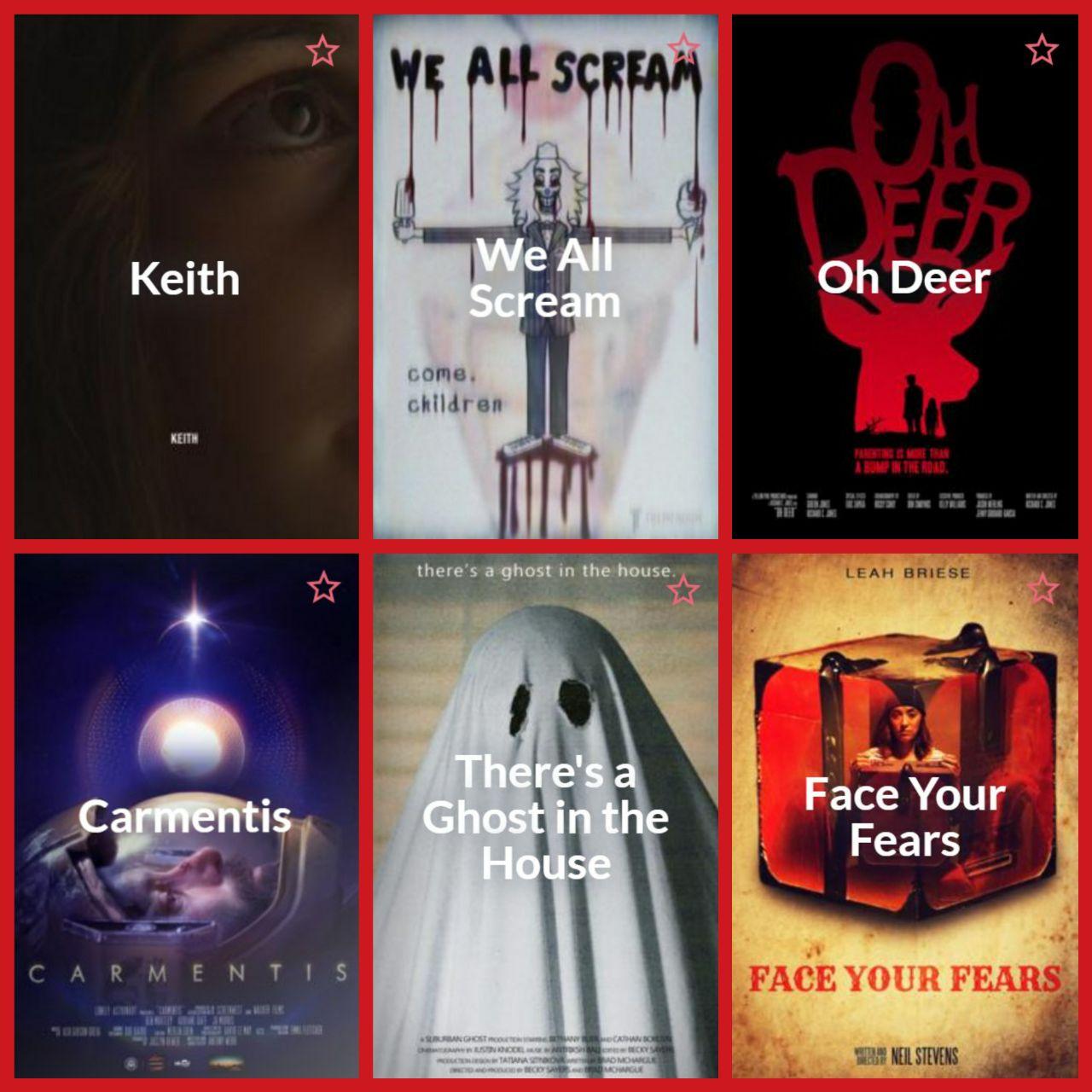
- Keith: A little girl meets the monster under her bed
- We All Scream: A little boy is tempted by a clown in an ice cream truck
- Oh Deer!: A father teaches his son what to do when they hit a deer with their car
- Carmentis: A injured miner struggles to survive on a harsh planet
- There’s a Ghost in the House: A couple bickers over the appearance of an apparition in their living room
- Face Your Fears: A woman faces a challenge to concur her fear of the dark
In Review
This is going to sound fucking ridiculous and corny, but the truth is the truth.
<cheesyTruth>Horror festivals have always been about more than the movies for us. My husband took me to my first for my birthday (Stanley Film Festival). We made some great friends there, and they told us about the Telluride Horror Show. So we brought some friends and started attending. The next year, we brought more friends. Then we met more people, brought more people. It became its own thing.
The horror movies are always what we go for but are not what the experience is about. It is the trip and the experience–but mostly the people. This year, we could not have the trip and we had to cram the experience into the screen, but we still had (some of) the people. So we still had the part of our horror show that mattered. </cheesyTruth>
So cheers to more horror and more horror shows and to being able to bring it all back in person again in the future years!


Christina Bergling
October Rising
Posted: September 24, 2020 in Halloween, horror, psychology, real lifeTags: 2020, autumn, civil unrest, fall, global pandemic, Halloween, horror, mental health, october, pandemic, pumpkins, racial injustice
To put it frankly and in my signature vernacular: things are fucked.
Around this mark in the calendar each year I tend to fall into a depression sink hole, even in this best of years, and this is far from the best of years. I don’t know if it is the transition from hated summer into welcomed fall or some repressed trauma milestone, yet it arrives as regularly as the seasons themselves. The bald patches where my hair has abandoned my head for the first time since I was 17 testifies to what is being internalized below my scalp. I definitely find myself in brief moments rapt in the siren song that 2020 is the end of the world.

However, I do (logically) know better. Despite how good the memes are, there is nothing supernatural or maybe ultimately even that exceptional about the year 2020. This is not the world’s first novel virus or pandemic. Climate change didn’t start in 2020. Governments aren’t suddenly corrupt. Racial injustice didn’t begin when cellphones captured it and social media made it go viral. The well of human atrocities is deep and chronologically expansive. And I doubt when humans decide to start saying “2021”, the world and all its events (or the consequences for our own stupidity and selfishness) will decide to yield.

Though, illusory correlation or not, it does feel like 2020 is a convergence of many of these things, a culmination of numerous building unsavory aspects of our reality. And personally, the macro level has been paired with upheaval and chaos at the micro level. The last time my faith in the world and humanity was uprooted, it was in global ideas. Yet I could still take solace in my personal life, the little things I could touch. This time, no perspective or granularity of experience seems safe.

Things could always be worse and may still yet be… but they just were better too. However, this post is not intended to be about the current state of the world (could be a novel that I may write one day) or my life. Rather, this post is supposed to be about decidedly the opposite, about giving myself permission to turn away from those fixations briefly… for my month: October.

Anyone who knows me or follows me is aware that beyond being a horror author, I am an authentic horror genre and Halloween enthusiast. To suit my extreme/fixative personality, I go all in for holiday and surrounding month of October. (Let’s be real: the entire season, if not year round.)

It may seem flippant (and it definitely is) in times like these to indulge in books and movies and a holiday. However, these social media accounts are dedicated to my horror writing and the simple love of the genre. And I, for one, need the distraction. I need the simplicity. I haven’t stopped caring or worrying about all the more significant or more catastrophic elements around me, but I need to balance that with some irreverent fun. Otherwise, why bother?
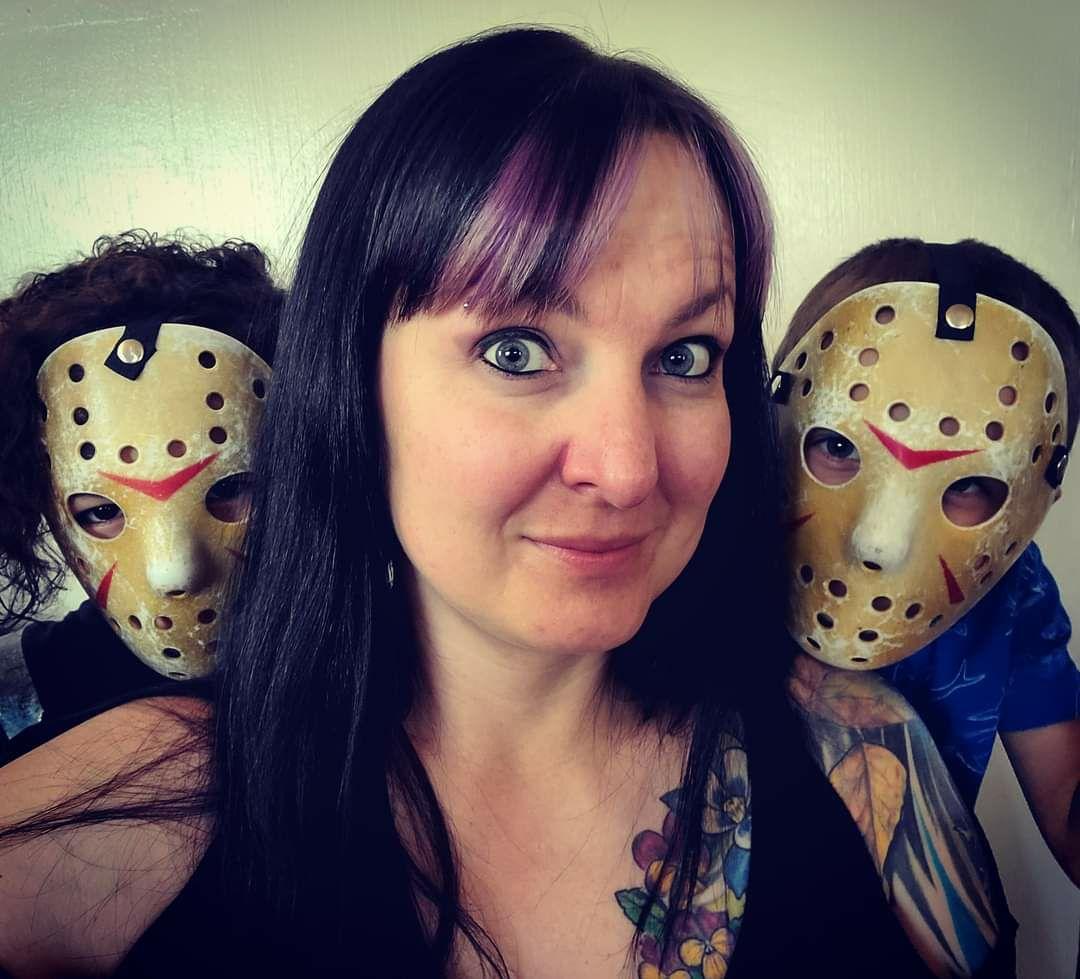
While it may seem odd to watch zombie apocalypse movies during a global pandemic or while it may seem stupid to be excited over pumpkin spice and orange decorations while the western part of the country is on fire, my constant devout attention will not solve any of those problems. It will, however, cripple my mental health and cause my hair to fall out by the handful. It was always silly to wear a Halloween shirt every day and watch a horror movie for bingo every night. This year, it just seems ridiculous. Yet I am electing to give myself a little grace to be odd and stupid and find some damn joy somewhere, where I have always found it since childhood.

In my struggle to cope with all the things, I am attempting to come back to my own mantra, the mantra that was born out of the last time I dealt with these feelings. Life is largely shit and can end at any moment, so I need to suck any ounce of joy I can from any given moment. I need to pair this with the sentiment of controlling only what I can control. I may be able to take actions to help these macro problems, but I cannot control them. Some days, I may need to resign to work and worry at the micro level.
It is a luxury to be flippant and to capitalize on enjoyment when possible, so I am going to attempt to luxuriate a little bit. In short, it really is a shit show all around us. I am aware and have not forgotten. But for this month, it is still going to be horror movies and Hallowear and all the spooky traditions!

If nothing else, the pandemic has slowed me down, forced me to be “in” much more than I am accustomed. Historically, in October, I went all the places and did all the things and skidded into November a shell of a person. That is not an option this year.
This year will be about quality versus quantity. I will only be able to do a small subset of my normal activities and celebrations, but I intend to do them fully. Telluride Horror Show will be virtual; no haunted houses; no trick-or-treating; tiny cohort Halloween party. I intend to adapt to experience or create them in new ways. Rather than contorting and trying to shove normalcy into an abnormal situation, I am going to find a new realizations for these circumstances.

But whatever I do, I will be going all in.
Christina Bergling
Writing Real into The Rest Will Come
Posted: September 15, 2020 in the rest will comeTags: author, based on a true story, behind the scenes, dating, horror, horror writer, inspiration, inspired by real events, online dating, writer, writing
Some writers invent entire new worlds full of characters birthed entirely from their brains. I am not those writers. Instead, I like to take something real, most often from my own experience, and disfigure it with my imagination into fiction. Perhaps it means I lack the depth of other worlds inside of me, but I do usually prefer to pervert experience (even hearsay) into story.
Generally, reality is the inspiration, the launching point. Then the story blossoms or festers from there into its own unique manifestation.
And then there’s my book The Rest Will Come.
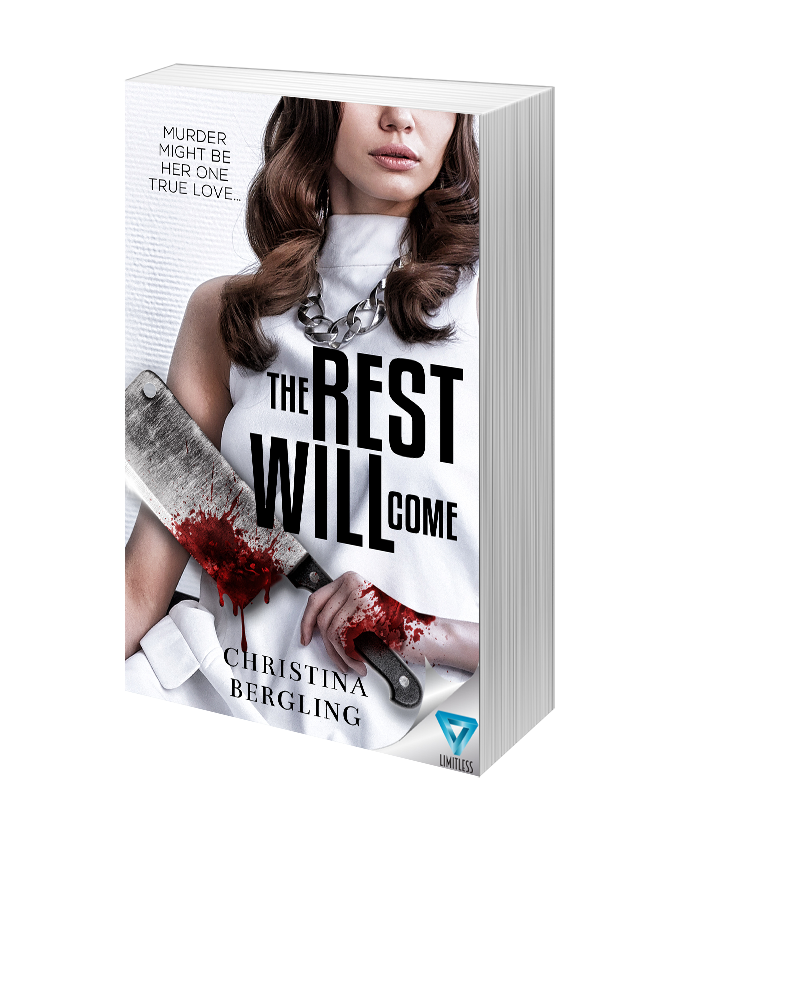 Of all my fiction works, The Rest Will Come is the most “inspired by” true events, the most infused with real people, places, and events. The core characters and opening events were ripped from the life around me, my recounting of myself, people I know, and things that happened around me (less than to me). Then as the narrative unfolded, I twisted these things into how I thought they could play out in a more fictitious, horror-comedy world.
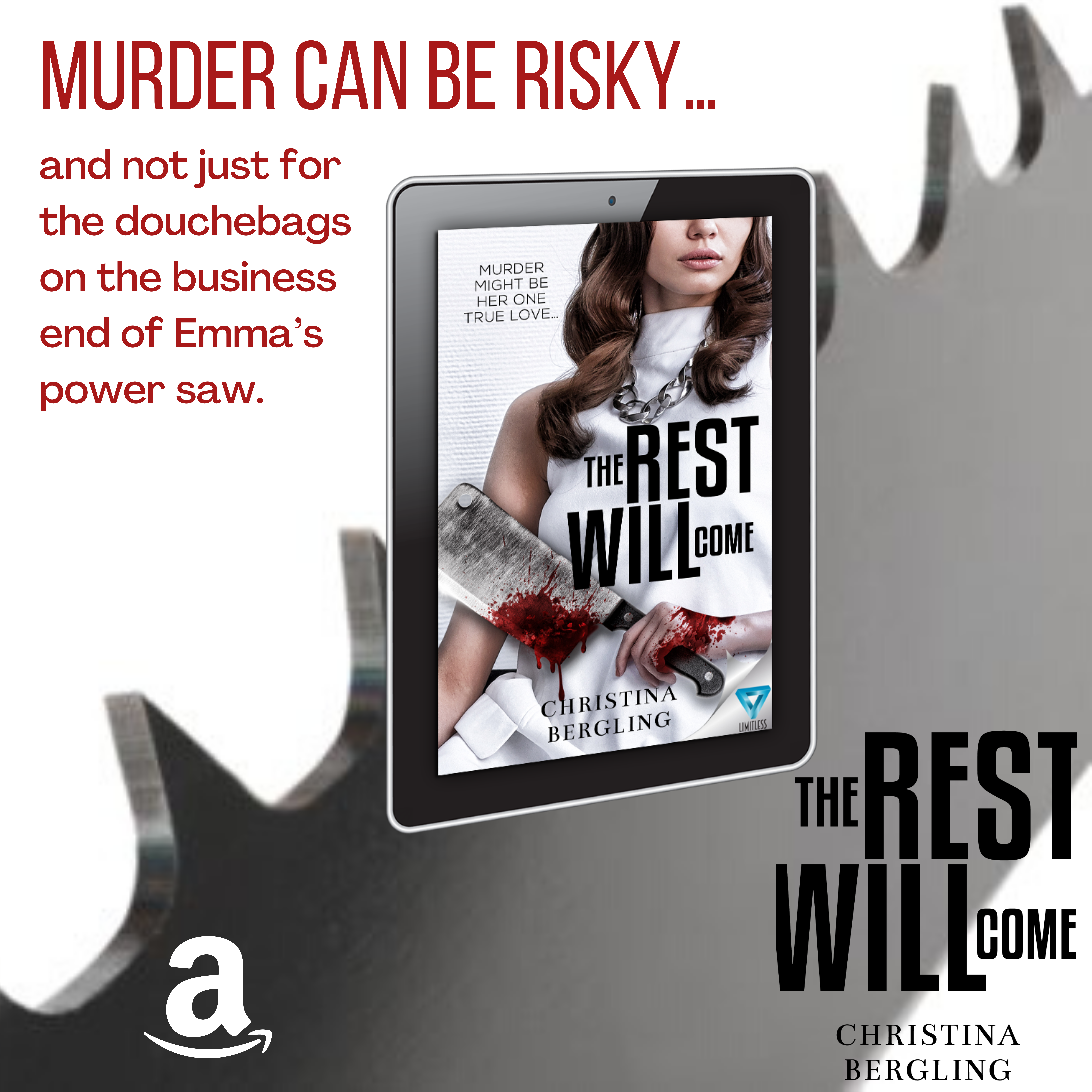
If you endured all these horrible online dating experiences, how did you not snap and kill them all?
The challenge to using real life basis for both characters and plot events is making sure the audience is in on the full story. If they were not there for the precipitating events, they may not know all the contributing factors or influences. If they do not know the character inspirations in real life, if they do not pick up on the inside references, the characters may fail to be entirely developed. Since they were full and real in my life and then my head, it would have been easy to overlook the fact that I did not make them so on the page.

However, once the characters and the story were fleshed out enough beyond what resided in the echoes in my own head, it was fun to play with hidden references, inside nods, and Easter eggs.
Initially, I documented the “based on real” bits exactly as I remember/perceived. Then during edits, the inspirations and I decided to not really change them. Truth is stranger than fiction most times, and I just could not conjure better circumstances.
Then when I crossed over into horror and the blood began to fly, I changed from fully documenting things to little winks. Every person who contributed a dating horror story to the narrative got a namesake and a retributive murder somewhere within the pages. Places or turns of phrase would be recognizable to the right reader.
Ultimately, my goal was for people who never met me or knew my real life inspirations to fully experience the story, characters, and world within the book. For those who did know me or us, I wanted them to enjoy collecting all the little Easter eggs and laughing along their fictional journey.
Was I successful? Did I manufacture the right balance between my reality and your fiction? You’ll have to read The Rest Will Come and judge my efforts for yourself.
Now, since diving so fully into the “inspired by true” premise for The Rest Will Come, I have swung the other direction for my current work in progress. True to my nature, I only operate in alternating extremes. So, I am trying my hand (literally) at imaging an entire world and creating characters with no external reference. The change contorts my brain but hopefully in a good way. The end result and its reception will tell.
Christina Bergling
What Savages is Really About
Posted: August 11, 2020 in savages, writingTags: apocalypse, book, books, covid-19, horror, humanity, inspiration, pandemic, savages, write, writer, writing, zombies
Since this pandemic started (or more since people began reacting to it), I have heard multiple times, “Your book Savages makes so much sense now” or “I really see what you meant in Savages” or “It’s just like you wrote about in Savages.”

The goal of any writer is to produce a work that is relatable and enduring. However, when we are talking about the apocalypse and bringing out the worst in humanity, those are not the themes you want to persist. I got the idea for Savages when I was freshly home from my civilian tour of a war zone and had completely lost my faith in humanity. These are not exactly ways I want to feel forever.
If you ask me what Savages is really about (and I’m the writer, so I suppose my answer does hold some weight), I would say that more than the byproduct of a Walking Dead binge (though that is in there too), the story ultimately is about questioning how human we really are. Are we civilized, or do we just pretend when we are comfortable enough? Are we all truly savage underneath it all?
I took a lot of anthropology electives in college. In those classes, we spent a lot of time trying to differentiate the common human base from the variable layers of culture applied over it. I took even more psychology electives in an attempt to sort out what was happening in my own head at the time (when did I actually have time to take the classes for my writing major?). In those classes, we compared varying theories on nature versus nurture. What are we born as, and what do we learn?
Somehow, all of this academic experience combined with the hopelessness and disgust I felt at my tiny sampling taste warside (plus a dash of zombie pop culture) left me wondering: are we all just animals, pretending to be evolved and civilized? But animals wasn’t the right word. Savagery was what I was thinking about. Savagery was I saw underneath our surface and wondered if it might be our true nature under all our “humanity.”
So I used the story in Savages to sort the problem out in my mind. Not surprisingly, my protagonist sounded a bit like me, asking all the questions I had batting around my head. She’s even as resistant and depressed as I would no doubt be in that post-apocalyptic position. Sometimes, you write what you know, and I know myself.
Where did I… I mean, she end up? What did she decide about humanity? To find out, you will need to make the journey through the fallout with her and read (or listen to) Savages!
And what about now? A decade later, I had improved my world outlook or fallen back into a comfortable complacency, however you want to look at it. I came home and lived my comfortable life, focused on my family. Then the world swelled back in ways I could not ignore. Pandemic, quarantine, police brutality, a scrolling list of awful—of savage.
But I feel the same way I did those years ago again; my mindset has returned. Savages makes sense. Everything I meant resonates for me again. And I don’t like it.
Last time, I dealt with these feelings with complacency. I accepted our savagery. I was able to accept the world being shit and focus on finding my own happiness within that. Yet, I am different now. I am less complacent. Perhaps it is motherhood, but I do not want to leave things this awful. I do not know how to change them, but I want to, and that desire is unsettling.
Maybe that is what my next book will be about.
At the moment, I am not happy to be reanimating the feelings of Savages. I would rather be reliving The Rest Will Come instead, if we’re picking from my bookshelf.
Christina Bergling
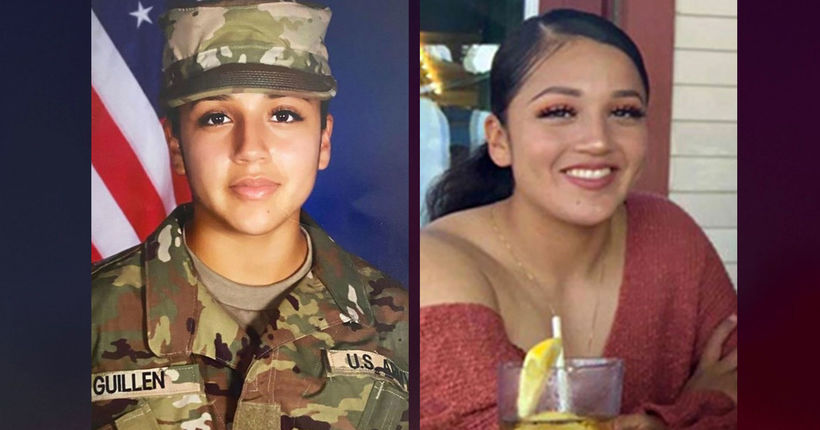
With the discovery of Vanessa Guillen’s body and the account of her murder on Fort Hood, the national conversation has turned to sexual assault and harassment in the military. I have watched many online friends and acquaintances come forward on my feed to contribute their stories. I debated whether I should add my voice to this topic.
To be very clear, I have never served in the military. Rather, I have worked as a contractor for Department of Defense contractors or military customers the majority of my career, which included a brief deployment to Iraq in 2009 (as a technical writer and software trainer). But I decided that is why I should write about my experiences–because my outside perspective, what I saw as a non-military person, only corroborates what all these female soldiers and sailors are saying now. I’m NOT saying #ImVanessaGuillen, far from it; I’m saying I saw it too.
When I went to get my required vaccines for my trip to Iraq, the doctor more or less guaranteed me that I would be raped in theater. He had served multiple tours in the Army as a doctor and had since retired to civilian practice. He asked me why they would be sending a girl like me (25 year old civilian) to that place and why I would agree to go. He did not tell me to be worried about rocket attacks or Iraqi insurgents. He looked into my wide, young, naive civilian eyes and told me I needed to fear the other Americans more than anything else. He said he had seen and treated numerous patients for being raped by their own in theater, going into detail I won’t repeat here. He asked if I was married and instructed me to say I was, to make sure I mentioned a husband clearly and often. He said they might respect that I belonged to someone more. Then he stuck me with the shots and wished me luck. When he looked at me before he left the room, I could tell from the heavy, dejected glance he gave me exactly what he expected to happen to me over there.
My female coworker who had gone to Iraq (and possibly also Afghanistan) as a software trainer before me told me how she had caught a man’s eye in the dining facility (DFAC) one day. That night, someone had tried to break into her trailer as she slept. He had not been able to get through the door, but she assumed it was the same man from the DFAC.

When I arrived in theater, there were unique signs in the female spaces. From my bathroom trailer on Dodge City South to the Morale, Welfare, and Recreation (MWR) gym on Victory Base Complex (VBC) to the small forward operating bases (FOBs) like War Eagle or Tallil. All the signs communicated the same message: have a battle buddy, don’t shower or workout or go to the bathroom by yourself, you’re not safe alone. There were a couple other females with my company in theater when I was, but we did not work the same shifts and rarely went the same places at the same time. I was usually the only girl, so I found these signs unnerving. Maybe men had these signs too; maybe everyone was supposed to have a battle buddy, but that is not how the messaging was conveyed.
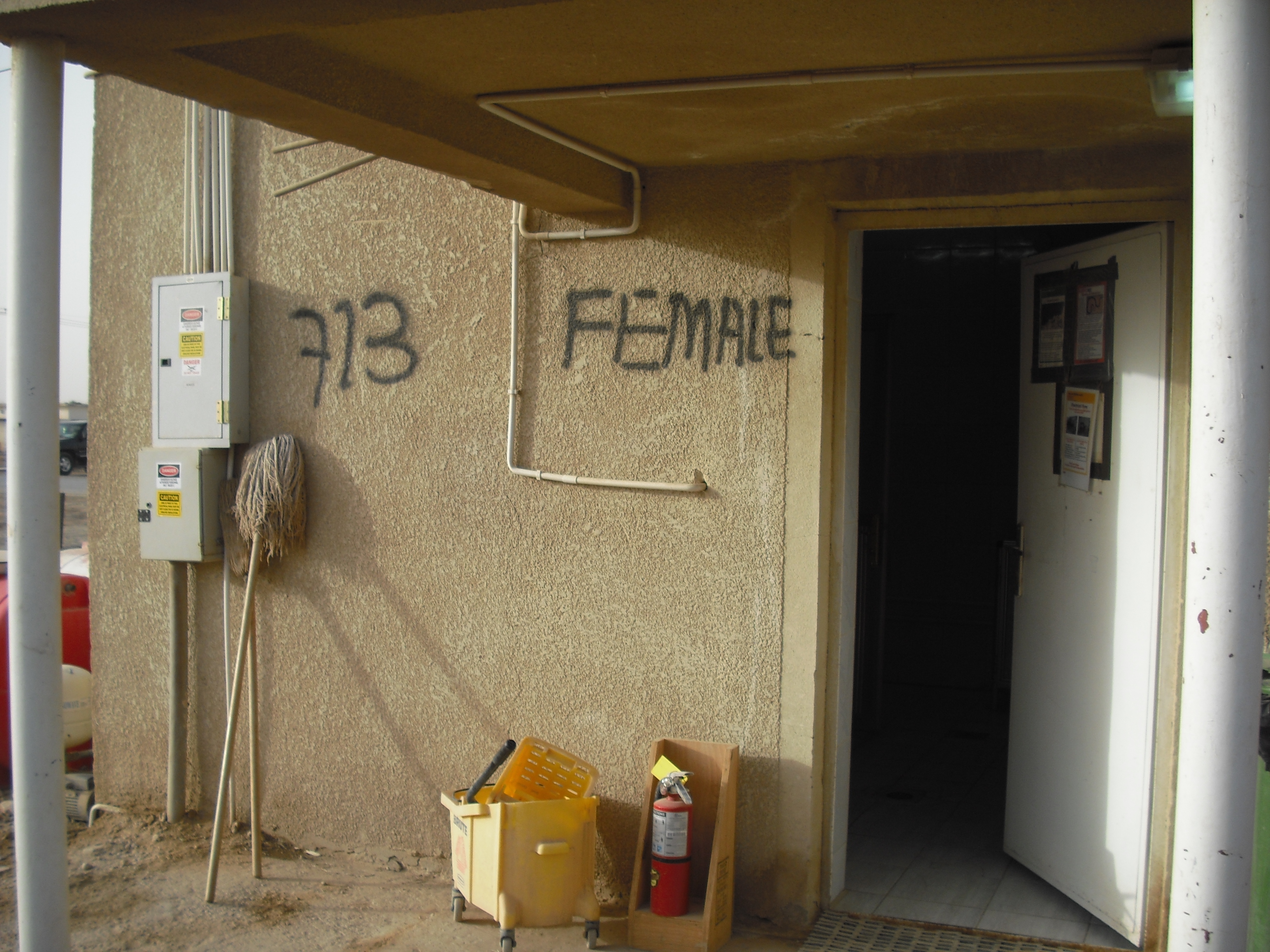
I worked swing shift for the majority of my time in theater, noon to midnight. I had a roommate only for part of my time, but she also worked the day shift, so we overlapped very little. When I got home, it was the middle of the night. I had to trek a quarter mile to the bathroom trailer alone in the dark. Between the doctor’s warning, the stories, and the signs, my paranoia was thick. The trailer pad was covered in rocks and gravel to combat the native mud, so you could hear every footstep. If I ever heard anyone else in the dark, I stopped walking and turned off my light, waiting and hiding in the dark, hoping they would not know I was there and could not see I was female.
One day, I went on a support call with a male coworker. We went to the desk of a sergeant who was having trouble with our software. The sergeant had pictures of his family and his waning countdown calendar to his trip home on his desk. He was nice, flirtatious, but I thought nothing of it. We resolved his issue and returned to our trailer. Later, the sergeant emailed me on the secure network (SIPR). He was very complimentary and expressed how he wanted to get to know me in normal life. I, again, did not react much but shared the email with my coworkers, who at this point had to endure hearing just about every thought in my head.
My coworkers were less dismissive of the sergeant’s advances. They seemed genuinely worried about it, which changed my reaction. As he continued to email, I saw in their response that this was something to be concerned about, to be scared of. They asked if he knew where I slept, which DFAC I ate at. When he started calling the trailer, they made sure I never had to talk to him and that he knew I would not be handling his inquiries. When he showed up at the trailer, they got rid of him. They took the situation very seriously and kept me safe. Then the sergeant’s countdown ran out, and he rotated home, and I never had to hear from him again.
As a civilian, pushy flirtation was annoying, but I didn’t interpret it as dangerous until I saw how my coworkers reacted. Much like I wouldn’t have been wary of everyone I interacted with without the doctor’s horrific stories. Much like I would not have stopped walking in the dark without the battle buddy sign in every bathroom.
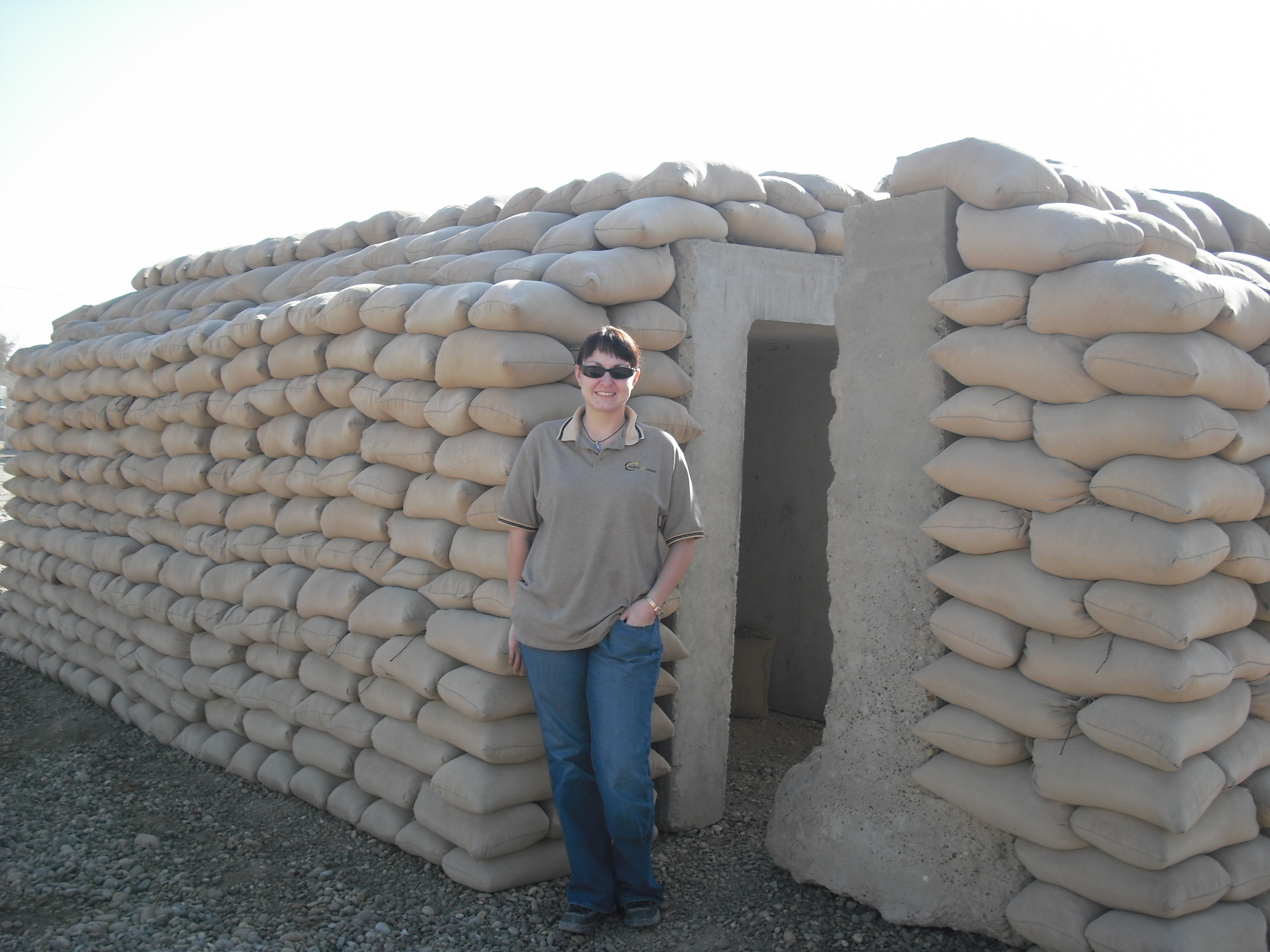
I prepared for theater without these expectations, and I managed (through the guardianship of some amazing men I worked with) to make it through my entire deployment without being assaulted. However, my encounters with other people’s experiences and the culture itself (we haven’t even touched on the volume on non-combat event rape reports in the database I worked with) showed me how real that threat was even before I met my stalker.
I saw these things as an outsider, without coming up through the military or learning any complacency to it. They came through fresh, naive eyes. So many things blinked and screamed like red warning signs.
So, do I believe there is a problem with sexual assault and harassment and the handling of it in the military? I know there is. Yet just like when we talk about police brutality, it’s not everyone. The men who kept me safe (who traveled with me so I wasn’t on unfamiliar bases alone, we left me the car so I wasn’t walking in the dark across the base at midnight, who told me how to react to rocket attacks) were military once too, and I know they’re not the only ones who would do that for someone. But they shouldn’t have to. The system is broken, and it’s failing some people. Just like the police and justice systems. Goodness amidst the problems doesn’t mean we don’t fix the problems.

 Fiery Pen